Storms leave a mess behind. Snapped limbs, torn fence panels, uprooted shrubs, and piles of wet leaves turn a clean yard into an obstacle course overnight. From the porch, the cleanup looks like a weekend chore. The work carries real risk, and every year emergency rooms fill with people hurt during storm recovery.
Safe cleanup starts with a plan. This guide covers how to inspect your property, protect yourself, sort what the wind left behind, and haul everything away for good.
What Counts As Yard Debris After A Storm
Yard debris covers the organic material a storm knocks loose. Branches, limbs, brush, leaves, pine straw, root balls, and full tree trunks all belong in this category. Waste facilities call this green waste, and most of the material ends up as mulch or compost rather than landfill space.
Green Waste Versus Mixed Storm Debris
Wind rarely limits the damage to trees. A single strong front will strip shingles, flip fence sections, snap deck boards, shatter planters, and scatter insulation across the lawn. Mixed loads follow separate disposal rules, because crews collecting green waste will refuse a pile with lumber, metal, or roofing inside. Sorting as you work saves you a second round of cleanup later.
Check Your Property Before Cleanup Begins
Walk your property once before you pick up a single branch. Storm damage hides in plain sight, and the first hours after a storm bring the highest chance of injury. Move slow, and treat every downed line as live.
Look Up, Look Down, And Look Around
Start overhead. Broken limbs often hang in the canopy instead of falling, and arborists call these widowmakers for good reason. A limb suspended 30 feet up will drop with no warning while you work below. Look for leaning trunks, split trunk joints, and roots lifting out of soaked soil.
Then check the ground. Standing water hides nails, glass, and sharp metal. Power lines tangled in brush carry current even when the neighborhood sits dark. Keep everyone at least 30 feet from a fallen line, and call your utility provider before you touch the surrounding debris.
Photograph Everything For Insurance
Take photos before you move anything. Wide shots of the yard, close shots of the damage, and images showing debris against your home give your adjuster the context needed for a claim. Keep receipts from dumpster rentals, tool purchases, and hauling services, since many policies reimburse cleanup costs after a covered event.
How To Safely Handle Yard Debris After A Storm
Storm cleanup rewards patience. Work in daylight, drink water, and rest in the shade every 30 minutes during humid weather. Heat stress builds fast under heavy outdoor labor, and fatigue leads to the mistakes behind most cleanup injuries.
Wear The Right Protective Gear
Dress for the job before you step outside. Sturdy boots with a puncture resistant sole protect your feet from nails and broken glass. Heavy gloves guard against splinters and rough bark. Safety glasses block flying chips, and long sleeves reduce cuts from thorns and jagged wood. Add hearing protection and a hard hat once saws and overhead work enter the picture.
Lift Smart And Work In Pairs
Wet wood weighs far more than dry wood. A green oak limb 10 feet long and 6 inches thick weighs over 100 pounds, and water soaked leaves add serious weight to every bag. Bend your knees, keep the load close to your chest, and pivot with your feet instead of twisting your spine.
Cut large limbs into shorter sections before you drag them. Ask a neighbor for help with anything awkward, and skip the hero lift. A strained back turns a two day project into a two week recovery.
Respect The Chainsaw
Chainsaws send tens of thousands of people to emergency rooms every year, and injury rates climb after major storms. Read the manual, check the chain tension, and fuel the saw away from your work area. Stand to the side of the cut, keep the bar below shoulder height, and watch for tension in bent limbs. Spring poles snap back with enough force to break bones.
Leave anything near a power line, anything above head height, and anything beyond your experience to a licensed arborist. The cost of a professional cut stays far below the cost of an emergency room visit.
Sorting And Staging Debris For Pickup
Sorting turns a chaotic yard into a set of manageable piles. Disposal facilities charge by material type, so clean separation lowers your cost and speeds up pickup.
Build Separate Piles By Material
Keep four piles. One for limbs and brush, one for leaves and grass clippings, one for construction material like fence boards and shingles, and one for household items ruined by water. Stack branches in the same direction with cut ends facing the street, which helps a loader grab the pile in a single pass. Bag loose leaves and pine straw in paper yard waste bags, since many programs reject plastic.
Keep The Curb And Storm Drains Clear
Stage piles on the grass strip between the sidewalk and the street when your city allows. Keep debris away from fire hydrants, mailboxes, water meters, and parked cars. Never push branches or leaves into a storm drain, because clogged drains flood streets during the next round of rain. Cities issue fines for blocked drains after a storm.
Disposal Options For Storm Debris
Most cities run a special collection after a major storm, with separate trucks for vegetative debris and construction waste. Check your municipal website for the pickup window, size limits, and stacking rules, since crews skip piles outside the guidelines. Collection after a widespread event sometimes takes weeks.
Hauling the load yourself works for small jobs. Load a truck bed, tarp the load, and pay the tipping fee at your local transfer station. Larger jobs call for a roll off dumpster in the driveway, which gives you a place to throw material as you work through the yard over several days.
When To Call A Junk Removal Service
Call for help when the pile outgrows your truck, your schedule, or your back. A professional crew arrives with the equipment and the labor to clear a full yard in one visit, then sorts the load for recycling and proper disposal. Homeowners with limited mobility, rental property owners facing tight turnaround windows, and anyone holding a notice from a code enforcement officer benefit from a single visit cleanout.
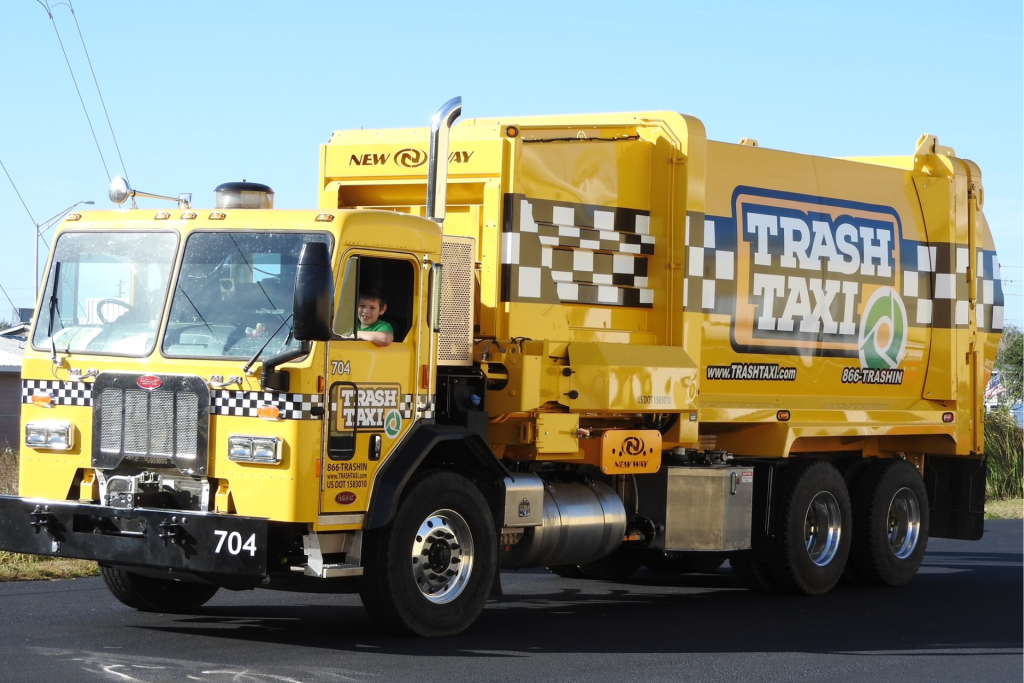
Trash Taxi clears storm debris fast, from one fallen limb to an entire yard of brush, fencing, and water damaged belongings. Our crews handle the lifting, loading, and hauling, and we leave your property clean. Visit https://trashtaxial.com/ or call today to schedule your storm debris pickup and take your yard back this week.